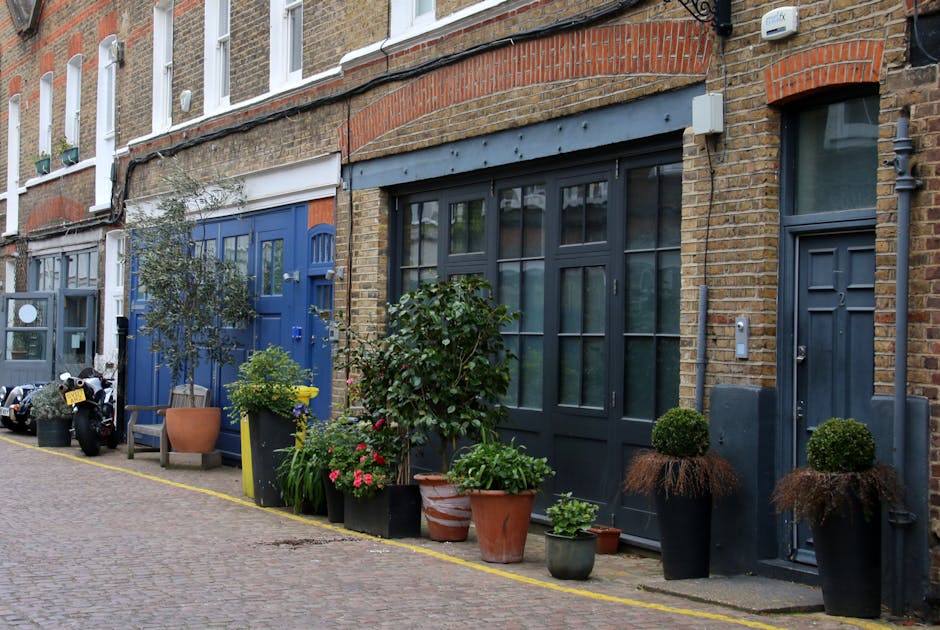
Ferry Road small garden solutions from Teddington gardeners
Small gardens can feel deceptively tricky. On Ferry Road, where outdoor space often needs to work hard without looking busy, the right approach makes all the difference. A compact garden can still be calm, inviting, and surprisingly practical - but it needs good planning, honest priorities, and a few smart moves that suit the space rather than fight it. That is exactly where Ferry Road small garden solutions from Teddington gardeners come in.
In this guide, you will find clear ideas for making a small garden feel bigger, tidier, and easier to live with. We will cover what works, what to avoid, how the process usually unfolds, and which services can help when the job is more than a simple weekend tidy-up. No fluff. Just proper, useful guidance.
- Why it matters
- How it works
- Key benefits
- Who this is for
- Step-by-step guidance
- Expert tips
- Common mistakes
- Tools, resources and recommendations
- Law, compliance and best practice
- Options and comparison table
- Case study
- Practical checklist
- Conclusion
- Frequently asked questions
Why Ferry Road small garden solutions from Teddington gardeners Matters
Small gardens are often the most demanding spaces in a home. Every square metre has to earn its place. A narrow patio, a shaded corner, a slightly awkward boundary line - these are not flaws so much as design cues. The point is to make the garden feel intentional instead of cramped.
For properties around Ferry Road, the challenge is usually not "how do I fill this space?" It is "how do I make it useful without overwhelming it?" That may mean reducing visual clutter, improving access, creating a stronger seating area, or simply making sure the planting does not swallow the garden whole. In a compact space, one bad decision can make everything feel smaller. One good decision, though, can change the whole mood.
There is also the practical side. Small gardens still need maintenance, and often more often than larger ones because everything is close together. A quick weed on a generous border is one thing; trying to reach into a crowded little bed behind a bench and three pots is another. Truth be told, that is where many homeowners start to lose enthusiasm.
That is why local, measured help matters. With the right layout, regular upkeep, and sensible planting choices, even a modest garden can feel finished. Not fancy for the sake of it. Just well put together.
If you want a broader view of the services available, it can help to begin with the services overview and then narrow down what your space actually needs.
How Ferry Road small garden solutions from Teddington gardeners Works
The best small garden work starts with observation. Before anyone touches a spade, it helps to look at how the space is used now. Where do people naturally walk? Which areas get sun, shade, or wind? What is the garden supposed to do - be a quiet retreat, a place for children, somewhere for pots and herbs, or a bit of everything?
A sensible solution usually follows a simple pattern:
- Assess the space honestly, including awkward corners, drainage issues, and overgrown features.
- Clear out what no longer serves the garden: dead planting, clutter, tired pots, or stray debris.
- Decide the key functions first, such as seating, planting, screening, storage, or access.
- Choose materials and planting that suit a small footprint rather than overpowering it.
- Set a maintenance rhythm so the garden stays neat after the work is done.
That final point is easy to overlook. A small garden is not just designed once and forgotten. It tends to reveal weak planning very quickly. If a hedge grows too fast, if the lawn is the wrong shape, or if the path feels too narrow, you notice it immediately. The upside is that small spaces are also easier to refine. A few correct adjustments can make a big visual impact.
In practice, the work often blends several services. A space may need garden clearance before anything else can begin, then follow-up garden maintenance to keep the result looking sharp. If hedges are enclosing the garden too tightly, hedge trimming can open up light and make the area feel more breathable.
Key Benefits and Practical Advantages
Small garden solutions are not just about making things pretty. They change how the space works day to day. That is the part people feel straight away, even if they cannot always put it into words.
- Better use of space. A compact garden can be arranged so walking, sitting, and planting do not clash.
- Less visual clutter. Clean lines and simple planting make the garden feel more open.
- Easier upkeep. Good design reduces the time spent wrestling with awkward areas.
- More light and air. Cutting back dense growth can improve the sense of space, sometimes dramatically.
- Improved privacy without heaviness. Screening can be introduced carefully, rather than with one big wall of planting.
- Better first impressions. A neat front or rear garden can lift the whole property, which matters more than people think.
There is a quieter benefit too. A well-organised small garden tends to feel more restful. You hear the rustle of leaves rather than the frustration of a lawn edge gone wild. You notice the space, instead of noticing what still needs doing.
Where a garden is especially compact, a little hard landscaping can be surprisingly useful. A tidy paving run, a small deck, or a defined seating zone can help a tiny outdoor area feel purposeful. If that sounds relevant, decking services or broader landscaping may be worth considering.
Who This Is For and When It Makes Sense
This kind of work suits more people than you might expect. Small gardens are common, but the reasons people seek help vary quite a bit.
You may benefit if:
- your garden feels too cluttered for its size
- you want a better layout but do not want a full redesign
- the planting has become overgrown and uneven
- you need a low-maintenance garden that still looks cared for
- you are preparing a home for sale or letting and want a cleaner presentation
- the outdoor space is difficult to access or awkward to mow and trim
- you would like the garden to be more usable for seating, children, pets, or containers
It also makes sense if you have already tried the DIY route and reached the point where everything feels half-done. That happens a lot. You pull a few weeds, move a planter, cut back a shrub, and suddenly realise the whole space now needs a plan. No shame in that. Gardens have a habit of doing that to people.
Small garden solutions are especially helpful when the space is close to the house and visible from the kitchen or living room. In that situation, the garden is part of the home's daily atmosphere. If it looks messy, you feel it every morning. If it works well, you get a little lift every time you look out.
Step-by-Step Guidance
If you want the space to improve in a lasting way, it helps to tackle it in stages. Jumping straight to decorative ideas before dealing with structure usually leads to frustration.
1. Start with a clean base
Before any design decision, remove what is blocking the garden from being seen properly. That might include waste, dead growth, broken pots, leftover timber, or matted weeds. A clearer base helps every other decision land better. If the garden is heavily neglected, a proper garden clearance can save time and prevent half-measures.
2. Map the usable areas
Look at the garden in zones. Where can someone sit? Where is the natural route from door to shed or gate? Which corner is best for planting? A small garden often works best when each section has one job. Trying to make every corner do everything is where it gets messy.
3. Reduce overgrowth and sharpen edges
Overgrown hedges, bulky shrubs, and uneven edges make a small garden feel compressed. Trimming them back, even modestly, can reveal hidden space. It is a small change, but a noticeable one. Sometimes that one cut is what stops the whole area from feeling boxed in.
4. Decide on the main feature
Every small garden benefits from one visual anchor. That could be a compact seating spot, a raised bed, a neatly shaped border, or a feature planter. The main point is focus. Without it, the eye bounces around and the garden feels restless.
5. Choose planting that behaves itself
In a compact setting, plants should earn their keep. Choose varieties with manageable growth habits and enough seasonal interest to avoid a flat look. Repeating a few plant types often looks better than squeezing in too many different ones. Let's face it, small gardens do not usually need more variety; they need better editing.
6. Build in maintenance from day one
If the garden takes too long to keep in order, the solution will not last. This is where regular garden maintenance becomes part of the plan rather than an afterthought. A tidy garden that is impossible to maintain is not really tidy for long.
7. Review the practical finish
Finally, step back and check whether the space now feels easier. Can you move through it comfortably? Does it look open enough? Is there enough light? A good small garden solution should feel calm within a minute or two of stepping outside. That is the standard to aim for.
Expert Tips for Better Results
Over time, a few patterns become very clear. The small gardens that work best are rarely the ones with the most features. They are the ones where every feature is doing a job.
- Use repetition. Repeating shapes, colours, or materials helps a small garden feel ordered.
- Keep paths simple. Curves can work, but in tight spaces, overcomplicated routes waste room.
- Think vertical carefully. Trellis, climbers, and slim planting can add height without taking up floor space.
- Use light to your advantage. Reflective surfaces, pale paving, and lighter planting palettes can stop a small area from feeling heavy.
- Leave breathing room. A garden needs some empty space. Not everything should be filled.
- Plan for seasonal change. What looks fine in spring may feel crowded by midsummer, so allow for growth.
One practical tip that often gets missed: stand at the doorway and look out at the garden as you usually see it. Morning light, wet paving after rain, a bin in the corner - these everyday conditions matter more than the perfect-looking photo. A garden that works on an average Tuesday is better than one that only looks right in ideal conditions.
If you are unsure about the right balance between planting and structure, it can help to compare options through landscape gardening rather than treating the space as a simple planting job. Sometimes the real improvement is structural, not decorative.
Common Mistakes to Avoid
Small gardens are forgiving in some ways, but they also punish bad choices quickly. A few common mistakes show up again and again.
- Overplanting. Too many plants can make the garden feel crowded and harder to maintain.
- Ignoring scale. Large furniture or oversized features can dominate the whole space.
- Forgetting access. If you cannot move around comfortably, the garden is already compromised.
- Using too many materials. Mixing lots of paving, edging, and decorative elements can make the design noisy.
- Letting hedges grow unchecked. A small garden can lose light fast if boundary planting becomes bulky.
- Designing for one season only. A space that looks good for six weeks but tiring the rest of the year is not a strong result.
Another subtle issue is delay. People often know the garden needs work, but wait until the overgrowth becomes a real nuisance. By then, a simple tidy is no longer enough. That is where services like lawn mowing and tree lopping and removal can sometimes be part of a wider reset, especially if the garden has become difficult to manage safely.
And yes, we have all seen the "I'll sort it next weekend" garden. Next weekend has a funny way of disappearing.
Tools, Resources and Recommendations
You do not need a shed full of specialist equipment to improve a small garden, but the right tools make a big difference. The aim is control, not brute force.
Useful tools and materials often include:
- sharp hand pruners for precise trimming
- a lightweight rake for clearing debris without damaging plants
- compact edging tools for neat lines
- quality shears for shaping small hedges and shrubs
- container planters that suit the proportions of the garden
- mulch or bark for reducing weeds and retaining moisture
- simple outdoor lighting if the space is usable in the evening
For homeowners who want a more polished outcome, professional help can be more efficient than buying and storing lots of tools that get used once in a blue moon. It is also worth considering whether the job is mainly maintenance, mainly layout, or a mix of both. That distinction matters because the right service is different in each case.
| Approach | Best for | Typical outcome | Main limitation |
|---|---|---|---|
| Light DIY tidy-up | Minor weeds, trimming, pot rearrangement | Quick improvement with low cost | May not solve layout or access issues |
| Maintenance-led service | Gardens that are mostly workable but untidy | Cleaner, more consistent appearance | Does not always change structure |
| Clearance plus redesign | Overgrown or awkward small gardens | Fresh start and better long-term use | More planning needed upfront |
| Landscape-led solution | Space that needs a new layout or improved flow | Better function and stronger visual structure | Usually more involved than routine upkeep |
If you want a clear starting point, the pricing and quotes page can help you understand how to approach the conversation before work begins. And if you care about responsible disposal and greener choices, recycling and sustainability is worth a look too.
Law, Compliance, Standards, or Best Practice
Small garden work is usually straightforward, but it still benefits from good practice. That means safe handling of tools, sensible disposal of waste, and care around anything that may affect neighbours or shared boundaries.
If work involves cutting trees, managing large branches, or dealing with heavy debris, it should be approached carefully. In the UK, common sense and proper risk awareness matter a lot here. You do not want unstable limbs, hidden trip hazards, or fly-tipped waste creating trouble later. If a job feels beyond routine trimming, it is better to treat it as a managed task rather than a quick fix.
For household gardens, the most relevant standards are usually practical rather than bureaucratic:
- work safely and keep tools maintained
- protect walls, fences, and neighbouring boundaries
- dispose of waste responsibly
- avoid damaging utilities, roots, or drainage areas
- check access routes before moving materials through tight spaces
Insurance and safety are not just box-ticking topics either. If someone is working in a compact garden with tight access, awkward steps, or hidden surfaces, proper precautions matter. You can read more about the company's approach on insurance and safety and the wider health and safety policy.
For transparency on how customer information is handled, the site's privacy policy and terms and conditions are also useful reference points. It is not glamorous reading, granted, but it does matter.
Options, Methods, or Comparison Table
There is no single best solution for every small garden. The right choice depends on the current state of the space and what you want it to do next.
| Method | What it changes | When it works best | What to watch for |
|---|---|---|---|
| Routine maintenance | Keeps the garden neat and manageable | When layout is already sensible | May not fix awkward design |
| Selective clearance | Removes clutter and overgrowth | When the garden has become crowded | Needs a follow-up plan |
| Hedge and boundary shaping | Improves light, openness, and structure | When the garden feels boxed in | Must be done with care to avoid overcutting |
| Hard landscaping | Creates defined areas and stronger flow | When the garden needs better function | More upfront planning and investment |
| Combined solution | Blends clearance, planting, and structure | When the space needs a proper reset | Requires a clear brief and sensible priorities |
In many Ferry Road gardens, a combined approach is the most effective. A bit of clearance, a better edge line, improved planting, and maybe one hard-landscaped feature can transform the feel without turning the garden into a building site. And that is a relief, frankly.
Case Study or Real-World Example
Here is a realistic example from the sort of small urban garden work people often ask for. A homeowner with a narrow rear garden had a space that felt dark, crowded, and difficult to use. The lawn was patchy, the hedge line was too dense, and several containers had slowly multiplied into a cluttered row along the fence. Nothing was badly broken. It was just tired.
The first step was a clear-out of old plant material and general clutter, followed by selective trimming to open up the light. The garden was then restructured into two clear zones: one simple seating area close to the house and one planting area at the far end. A few stronger, repeated plant choices replaced the random mix of pots, and the edges were sharpened so the shape read more cleanly.
The result was not dramatic in a flashy sense. No waterfalls, no grand statement sculpture, none of that. But the space felt bigger, calmer, and much easier to maintain. The homeowner said the best part was looking out in the morning and not immediately seeing jobs waiting. That is a small thing, maybe, but it matters.
That kind of transformation is exactly why small garden solutions work best when they are practical first and decorative second. A beautiful tiny garden is great. A usable one is better.
Practical Checklist
Use this checklist if you are planning Ferry Road small garden solutions from Teddington gardeners and want to be sure nothing obvious gets missed.
- Decide the main purpose of the garden.
- Clear out clutter, waste, and dead growth.
- Check whether hedge or shrub growth is blocking light.
- Choose one clear focal point or seating area.
- Keep the number of materials and plant types manageable.
- Make sure access routes are comfortable and obvious.
- Plan for upkeep, not just the initial finish.
- Consider whether you need clearance, maintenance, landscaping, or a mix.
- Review drainage, safety, and boundary issues before heavy work starts.
- Think about how the garden will look in different seasons, not just on one good day.
If you are still unsure where to begin, a quick conversation with the team via contact us can help you work out the cleanest next step. Sometimes that first bit of clarity is the biggest win.
Conclusion
Small gardens on Ferry Road do not need to be complicated to be effective. They need smart choices, careful editing, and a layout that respects the space instead of crowding it. With the right balance of clearance, trimming, maintenance, and thoughtful structure, even a modest outdoor area can feel far more welcoming.
The main lesson is simple: in a small garden, every detail has a louder voice. That is why it pays to get the basics right first. Create room to breathe. Keep the shapes clean. Choose plants and materials that suit the scale. Then maintain the result so it stays easy to enjoy.
Get a free quote today and see how much you can save.
For a bit more about the people behind the service and the way they work, you can also visit the about us page. Sometimes knowing who you are dealing with makes the whole process feel a little easier, and that is no bad thing.
When a small garden is handled well, it stops feeling like a compromise. It starts feeling like a proper part of the home. And that changes the day, in a quiet but very real way.
Frequently Asked Questions
What are the best small garden solutions for a narrow Ferry Road garden?
The best solutions usually focus on clarity: simple zones, tidy edges, restrained planting, and a layout that keeps movement easy. In narrow gardens, reducing visual clutter matters just as much as adding new features.
Do I need professional help for a small garden, or can I manage it myself?
If the space only needs light tidying, you may handle it yourself. But if it has become overgrown, awkward, or hard to maintain, professional support can save time and prevent rushed decisions that create more work later.
How do you make a small garden look bigger?
Use fewer but stronger design elements, keep lines clean, avoid overcrowding, and let some space stay open. Light, repetition, and simple structure usually make the biggest difference.
Is garden clearance useful before redesigning a small space?
Yes. Clearance gives you a clean starting point so you can see the actual shape of the garden. Without that, it is very easy to design around old clutter instead of the real space.
How often should a small garden be maintained?
That depends on the planting and the season, but small gardens often benefit from regular attention because growth and clutter become noticeable quickly. A lighter, consistent schedule is usually easier than waiting for big jobs to build up.
Can hedge trimming really improve a tiny garden?
Absolutely. If hedges are casting shade or squeezing the usable area, trimming them back can make the whole space feel brighter and less enclosed. Sometimes it is the difference between cramped and comfortable.
What kind of planting works best in compact outdoor spaces?
Planting that stays within its bounds and offers interest without constant control is usually best. Repetition, layered heights, and a manageable number of species tend to work better than lots of different plants packed together.
Is hard landscaping worth it in a small garden?
Often, yes. A small deck, paved seating area, or well-placed path can make the garden more usable and easier to understand visually. The trick is keeping it proportionate.
How do I avoid making a small garden feel cluttered?
Pick one main feature, limit the number of materials, and resist the urge to fill every corner. Small gardens need breathing room. That is not wasted space; it is what makes the rest work.
What should I ask before booking a garden service?
Ask what the work includes, how waste is handled, whether the team can support clearance and maintenance, and how the garden will be kept manageable after the initial job. A clear brief saves a lot of back-and-forth.
Are there safety or compliance issues with small garden work?
Yes, especially if the garden has tricky access, heavy waste, large branches, or tight boundaries. Safe working practices, proper disposal, and sensible risk awareness matter, even in a small space.
Where can I find the right service for my garden?
A good starting point is the site's services overview, which helps you see the available options in one place before deciding what your garden actually needs.