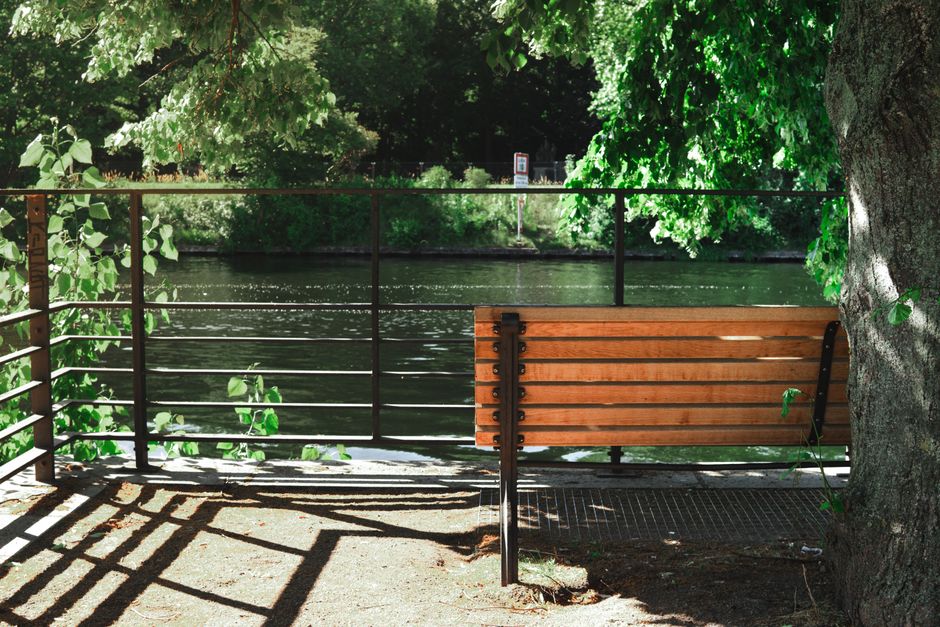
Teddington Lock pruning and garden maintenance guide
If your garden near Teddington Lock is starting to feel a bit unruly, you are not alone. Hedges lean out, shrubs get leggy, climbers take liberties, and suddenly the whole space looks busier than it should. This Teddington Lock pruning and garden maintenance guide is here to help you make sense of what to cut, when to cut it, and how to keep the rest of the garden healthy without creating more work for yourself later.
Truth be told, most garden problems around this part of London do not come from a lack of effort. They come from doing the right jobs at the wrong time, or trimming in a way that looks tidy for a week and then backfires. So let us keep this practical. You will find seasonal advice, pruning principles, maintenance priorities, safety notes, and a clear way to decide whether to do it yourself or bring in help. If you want to explore wider support, the services overview is a useful place to start, and if you are comparing options, the pricing and quotes page can help set expectations.
Practical summary: prune to shape, remove damage and crossing growth, keep maintenance regular, and match the method to the plant. Simple enough on paper. In the real world, a damp Sunday afternoon and a blunt pair of shears can change things fast.
Table of Contents
- Why Teddington Lock pruning and garden maintenance guide Matters
- How Teddington Lock pruning and garden maintenance guide Works
- Key Benefits and Practical Advantages
- Who This Is For and When It Makes Sense
- Step-by-Step Guidance
- Expert Tips for Better Results
- Common Mistakes to Avoid
- Tools, Resources and Recommendations
- Law, Compliance, Standards, or Best Practice
- Options, Methods, or Comparison Table
- Case Study or Real-World Example
- Practical Checklist
- Conclusion
- Frequently Asked Questions
Why Teddington Lock pruning and garden maintenance guide Matters
Gardens around Teddington Lock often have a mix of mature planting, compact spaces, boundary hedges, and trees that have had to work harder than they should. That creates a few recurring issues: poor airflow, shaded corners, congested growth, awkward access, and plants that are either overcut or left to run wild. A good pruning and maintenance routine helps you avoid all of that.
Why does it matter so much? Because pruning is not just about making things look tidy. It affects flowering, fruiting, structural strength, and plant health. Garden maintenance also affects how safe and usable the space feels. A path blocked by soft growth, a hedge that hides visibility at the gate, or a climber dragging down a fence panel all become small problems that slowly snowball. Let us face it, nobody wants a garden that looks fine from far away but is a nuisance every time you step outside.
There is also the local reality. In a riverside-ish, built-up area like this, gardens can be exposed to damp, sheltered corners, and close neighbours. That means a bit more attention to airflow, debris removal, and seasonal trimming goes a long way. Not dramatic. Just consistent.
How Teddington Lock pruning and garden maintenance guide Works
The guide works by breaking garden care into three overlapping jobs: pruning, routine maintenance, and seasonal planning. Once you understand those three, the rest becomes much easier.
1. Pruning shapes the plant
Pruning means removing selected stems, branches, or spent growth to improve structure or health. That could be thinning a shrub, reducing a hedge, removing dead wood, or cutting back climbers after flowering. The trick is not to just hack away. You want the cut to serve a purpose.
2. Maintenance keeps the garden stable
Garden maintenance is the broader routine: lawn edging, weed control, clearing leaves, feeding where appropriate, checking ties, sweeping paths, and keeping borders defined. This is the bit that stops the garden from slipping into the "I'll sort it next weekend" category. Spoiler: next weekend has a habit of disappearing.
3. Seasonal timing protects growth
Some plants cope well with winter pruning. Others prefer a light summer trim after flowering. Some hedges like regular shaping through the growing season. Knowing the timing matters because the same cut can be helpful in one month and damaging in another. You do not need to memorise a giant chart, but you do need to avoid pruning everything on instinct.
If you prefer professional support for this kind of ongoing care, you may find it useful to review the company's about us information and contact us page before booking.
Key Benefits and Practical Advantages
A well-managed garden does more than look neat. It becomes easier to live with. That sounds obvious, but people often notice it only after the job is done.
- Healthier plants: removing dead, diseased, or congested growth can improve airflow and reduce stress.
- Better flowering: many shrubs flower more strongly after correct pruning at the right time.
- Safer spaces: tidy edges, clear paths, and stable growth reduce trip hazards and visibility issues.
- More light: a controlled canopy and shaped shrubs let more daylight into borders and windows.
- Less long-term work: regular maintenance stops a small job becoming a big one.
- Improved structure: young trees and shrubs benefit from early shaping so they grow better over time.
One small but important advantage is confidence. Once the garden is in a rhythm, you stop second-guessing every stem. You know what belongs, what does not, and what can wait. That alone saves a lot of stress.
Who This Is For and When It Makes Sense
This guide is for anyone with a garden in or around Teddington Lock who wants a practical approach rather than a guess-and-hope routine. It suits:
- homeowners who want better control over hedges, shrubs, and borders
- landlords keeping a property presentable between tenancies
- busy families who need a manageable outdoor space
- older homeowners who prefer reliable, low-fuss maintenance
- people returning a neglected garden to order
- anyone weighing up whether to book a one-off tidy-up or ongoing care
It makes sense to act before growth gets away from you. For example, if a hedge has started creeping over a path, if climbing plants are pulling on brickwork, or if a shrub has become all leaves and no shape, that is usually your signal. You do not need a crisis to begin. In fact, waiting for one is rarely the clever move.
There is also a good case for professional help when ladders, power tools, or heavy reduction work are involved. A tidy garden should not come at the expense of a sore back or a near miss.
Step-by-Step Guidance
Below is a sensible, field-tested way to approach pruning and maintenance without overcomplicating it. You can do this in stages. No need to finish the whole garden in one heroic burst.
Step 1: Walk the garden slowly
Start with a slow walk and look for four things: dead growth, crossing stems, overcrowded areas, and anything blocking access or light. Notice where the garden feels heavy or messy. Sometimes a plant tells you what it needs, and sometimes it is basically waving a white flag.
Step 2: Decide what type of cut is needed
Different jobs need different cuts:
- Thinning: removing selected stems from inside a shrub to reduce congestion.
- Shaping: refining the outline of hedges or ornamental shrubs.
- Reduction: cutting back size carefully without stripping the plant bare.
- Deadheading: removing faded flowers to encourage further blooming or better appearance.
- Clean-up pruning: taking out dead, damaged, or diseased material.
Step 3: Prune with a reason
Ask yourself, "What does this cut improve?" If the answer is nothing clear, pause. A lot of pruning mistakes come from removing growth simply because it looks untidy. Some untidy growth is doing useful work. Harsh, but true.
Step 4: Keep the base and edges clear
Once the main pruning is done, clear away debris from the plant base, paths, and borders. This helps airflow and makes the whole garden look sharper. A garden can be beautifully pruned and still feel messy if clippings are left under shrubs for two days in wet weather. It only takes a little pile of soggy leaves to undo the effect.
Step 5: Finish with maintenance
Check ties, inspect supports, sweep surfaces, edge borders, and tidy tools away. If you are doing a full seasonal job, refresh mulch, remove persistent weeds, and note anything that needs attention next month. Good maintenance is partly about memory, really. Write it down if you have to.
Expert Tips for Better Results
These are the small things that make a noticeable difference.
- Cut back to a healthy bud or side shoot: this helps the plant recover in the direction you want.
- Use clean, sharp tools: ragged cuts heal poorly and are harder to judge.
- Stand back often: every few cuts, step away and look at the shape from a distance.
- Work in dry conditions where possible: wet foliage makes it harder to see what you are doing, and clippings go everywhere.
- Prune flowering shrubs based on when they bloom: spring-flowering types are often pruned after flowering, not before.
- Do a little often: regular light maintenance usually beats a heroic annual clear-out.
One useful habit is to keep a mental note of what the garden looks like in mid-season versus winter. That way, you do not panic when a deciduous shrub looks bare in February. It may be fine. A little patience goes a long way there.
If your garden has mixed planting, check which areas need a softer touch. A rose bed, for example, needs a very different approach from a clipped hedge or a rambler climbing fence panels. Same garden, different personalities.
Common Mistakes to Avoid
Even experienced gardeners slip up now and then. The most common errors are usually simple, but they can set a plant back for months.
- Overpruning: removing too much at once can stress plants and leave them weak or bare.
- Ignoring timing: pruning at the wrong season can remove flower buds or invite poor regrowth.
- Cutting without a plan: random trimming often creates awkward shapes and weak structure.
- Using blunt tools: they crush stems rather than cutting cleanly.
- Leaving debris behind: this can harbour moisture and make the area look neglected.
- Forgetting safety: ladders, long-reach tools, and overhead branches need care, not bravado.
A surprisingly common one: people trim a hedge to "fix" a boundary issue, then discover it has become narrower every month because they keep chasing the same line. Happens all the time. Better to measure once, trim once, and step back before taking another inch.
Tools, Resources and Recommendations
You do not need a van full of kit to manage a decent garden. But the right basics matter.
| Tool or resource | Best used for | Why it helps |
|---|---|---|
| Hand secateurs | Small stems, deadheading, light shaping | Gives precise cuts and reduces plant damage |
| Loppers | Thicker branches and stubborn stems | Better leverage for heavier pruning |
| Hedge shears | Formal hedges and soft shaping | Keeps lines neat and controlled |
| Pruning saw | Woody branches too thick for loppers | Helps avoid forcing cuts |
| Gloves and eye protection | General maintenance and cutting jobs | Simple protection that prevents a lot of fuss |
| Green waste bags or a compost system | Clippings and debris management | Keeps the garden tidy after the job is done |
For those who prefer to outsource the job, it helps to compare service levels carefully. A quick tidy-up, a seasonal prune, and ongoing garden maintenance are not the same thing. The services overview can help you understand the broader range, while the recycling and sustainability page is worth a look if you care about how garden waste is handled.
And yes, good boots matter. Wet grass and soft soil have a way of turning a simple job into a slippery comedy. Not ideal.
Law, Compliance, Standards, or Best Practice
Garden pruning and maintenance in a domestic setting is usually straightforward, but there are still sensible standards to follow. If trees are large, near boundaries, or close to structures, it is wise to be cautious and seek qualified help where needed. You should also avoid cutting anything where ownership, preservation status, or access rights are unclear.
Best practice in the UK typically includes:
- checking whether a tree or hedge belongs to you before cutting
- being careful with overhanging branches near neighbours' property
- working safely at height and using the right equipment
- disposing of waste responsibly
- keeping an eye on wildlife nesting activity before major cutting
If you are booking a professional gardener, it is reasonable to ask about safety procedures, public liability insurance, and how they manage site risk. The health and safety policy and insurance and safety information are useful trust signals to review before work begins.
For householders, the practical takeaway is simple: do the job properly, safely, and respectfully. No drama, no shortcuts, no mystery cutting of the neighbour's prized climber because it looked "a bit untidy".
Options, Methods, or Comparison Table
Not every garden needs the same approach. Here is a straightforward comparison to help you choose the right method.
| Method | Best for | Pros | Watch-outs |
|---|---|---|---|
| DIY light maintenance | Small gardens, regular upkeep, simple hedges | Low cost, flexible timing, hands-on control | Easy to overcut or miss hidden issues |
| DIY seasonal pruning | Confident gardeners with the right tools | Good for routine shrubs and borders | Requires plant knowledge and patience |
| One-off professional tidy-up | Overgrown gardens, pre-sale prep, seasonal reset | Fast results, clear finish, less effort | May not solve recurring maintenance needs |
| Ongoing maintenance plan | Busy households, landlords, larger gardens | Consistency, better plant health, less stress | Needs a regular budget and good communication |
In many cases, the best answer is a mix. A homeowner might handle deadheading and weeding week to week, then bring in help for heavier pruning and seasonal clear-ups. That is often the sweet spot.
Case Study or Real-World Example
Here is a realistic example from a typical Teddington-style garden setup. A front garden had a mixed hedge, two mature shrubs near the window, and a narrow side return that constantly filled with leaf litter. The owners were not after a full redesign; they just wanted the place to feel manageable again.
The first step was a light structural prune to the shrubs, removing dead stems and a few crowded inner branches. The hedge was then reshaped to restore the boundary line without taking too much growth off the top. Along the side return, maintenance focused on leaf clearance, edging, and checking that the runoff area was not collecting wet debris. Nothing flashy. But the garden instantly felt more open.
The important part was what happened next. Instead of waiting for the next obvious problem, the owners set a simple routine: a monthly check in growing season, a summer tidy, and a more thorough autumn clean-up. That stopped the garden from sliding back. Small plan. Big difference.
And honestly, that is often how good gardens stay good. Not by luck. By rhythm.
Practical Checklist
Use this before and after pruning or maintenance work:
- Confirm which plants need pruning now and which should wait
- Check the weather and avoid very wet or freezing conditions if possible
- Inspect tools for sharpness and cleanliness
- Wear gloves, sturdy footwear, and eye protection where needed
- Remove dead, damaged, and diseased growth first
- Step back regularly to check shape and balance
- Keep cuts deliberate and avoid overpruning
- Clear all clippings, leaves, and loose debris
- Check ties, supports, and access routes
- Note anything that needs follow-up next month
Quick reminder: if you feel unsure about a larger shrub or tree, stop and reassess. That pause can save a lot of hassle.
Conclusion
A strong garden maintenance routine is not about making every border look like a magazine spread. It is about keeping the space healthy, safe, and easy to enjoy. With the right pruning at the right time, the garden around Teddington Lock can stay tidy without becoming high-maintenance or stressful.
The main thing to remember is this: prune with purpose, maintain regularly, and do not let small issues pile up. A little steady care beats a frantic overhaul almost every time. If you want support beyond the DIY approach, checking the company's wider garden services and quotes information can help you decide the next step with a bit more confidence.
Get a free quote today and see how much you can save.
When a garden feels calmer, lighter, and easier to walk through, the whole home tends to feel better too. Funny how that works.
Frequently Asked Questions
What is included in a Teddington Lock pruning and garden maintenance guide?
It usually covers when to prune, how to shape different plants, basic seasonal maintenance, safety checks, tool choices, and common mistakes to avoid. In practice, it is a simple framework for keeping a garden healthy and manageable.
How often should shrubs and hedges be pruned?
It depends on the plant type and the result you want. Some hedges need regular shaping through the growing season, while many shrubs only need periodic pruning after flowering or in dormancy. A light, regular approach is usually better than a once-a-year hard cut.
What is the best time of year to prune in Teddington?
There is no single best time for every plant. Many deciduous shrubs are handled in late winter or after flowering, while some hedges and climbers are trimmed during the growing season. The right timing depends on the plant's growth cycle.
Can I do all the pruning myself?
Some jobs, yes. Light hedge trimming, deadheading, and tidy-up pruning are manageable for many homeowners. Larger branches, awkward access, and taller work are better left to a professional, especially if ladders or heavy tools are involved.
How do I know if a plant has been overpruned?
Common signs include bare stems, weak regrowth, stress on the outer canopy, and a shape that looks hacked rather than balanced. If a plant loses too much leaf area too fast, it may struggle to recover properly.
Is garden maintenance different from pruning?
Yes. Pruning is one part of garden care. Maintenance includes pruning, but also weeding, edging, clearing leaves, checking supports, keeping paths tidy, and general seasonal upkeep.
Should I remove all dead wood from shrubs?
Yes, generally dead wood should be removed because it does not contribute to growth and can make the plant look neglected. Just be sure you are identifying dead stems correctly before cutting.
What should I do with the clippings after pruning?
Collect them promptly and dispose of them responsibly. Compostable green waste can often be reused in some gardens, but large or diseased clippings should be handled carefully. Keeping debris off beds and paths also prevents a messy finish.
When should I call in a professional gardener?
It makes sense to get help if the job involves height, large reductions, unclear plant health, stubborn overgrowth, or limited time. It is also a good idea if you want ongoing maintenance rather than a one-off fix.
How can I keep a garden tidy between visits or bigger jobs?
Do small jobs regularly: sweep paths, remove spent flowers, pull weeds before they seed, and inspect hedges or shrubs for growth that is starting to escape. Ten minutes here and there really does add up.
Does regular maintenance improve garden value or presentation?
It improves presentation immediately, and that matters a lot for how a property feels. While every garden is different, a neat, healthy outdoor space generally makes a home more welcoming and easier to enjoy.
Where can I learn more about booking help or checking trust and safety details?
You can review the company's about us, health and safety policy, and insurance and safety pages, then use the contact us page if you want to ask about a specific garden.